
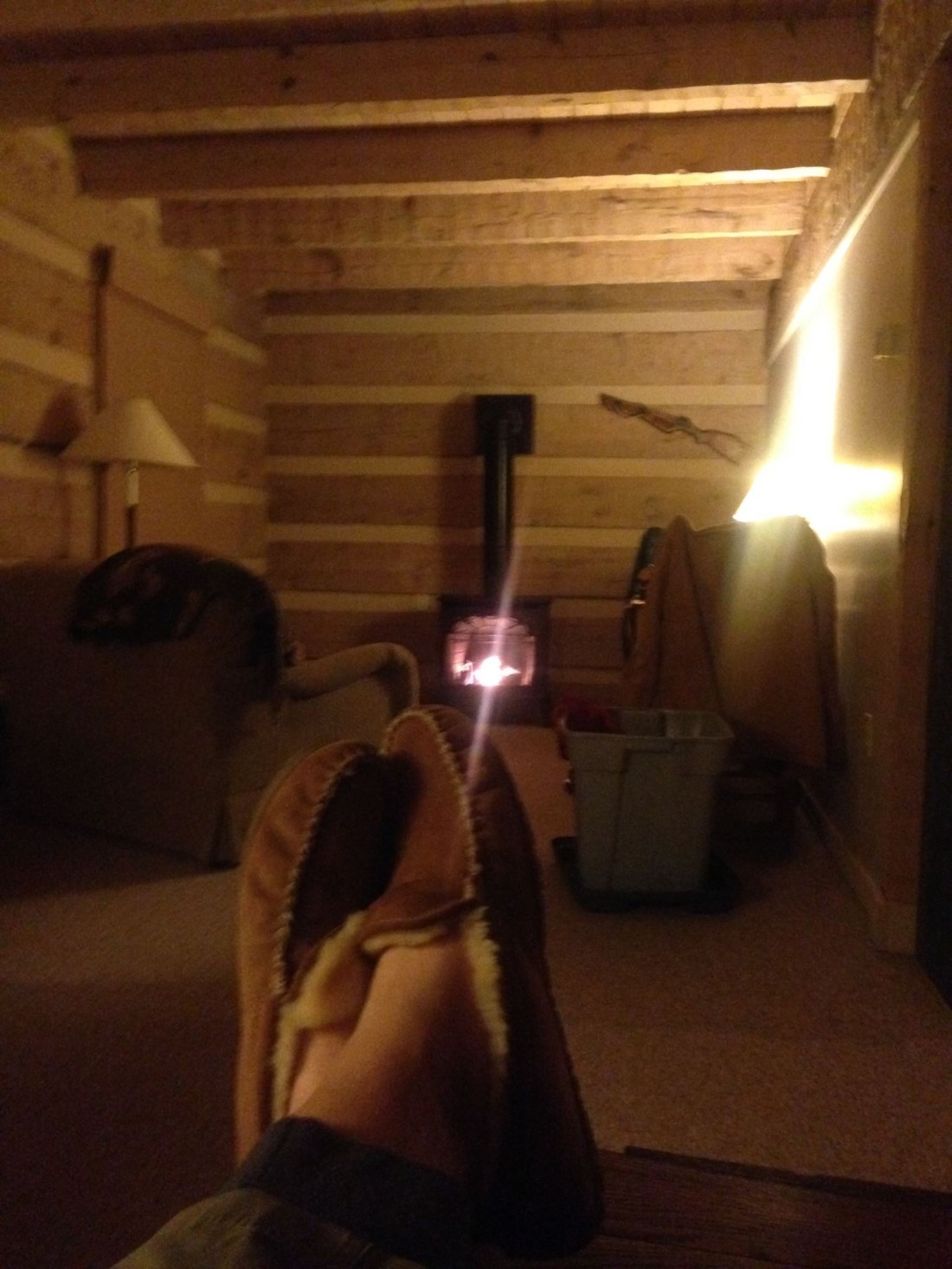
Movie night at the cabin has both higher and lower standards than movie night in your regular house. A good cabin movie can have lower standards when it comes to objective quality (in fact, I would argue a good cabin movie should kind of suck, but in a very specific way), but it has higher standards when it comes to its emotional/nostalgic qualities. A good cabin movie is one that you’ve seen before, but not in this century, or it’s one you’ve seen hundreds of times and can recite lines from. A good cabin movie benefits from you being slightly drunk while you watch it. But the absolute best cabin movie is one that you loved when you were younger, but that your spouse has never seen. The best cabin movie is discovered when one of you says to the other in disbelief, “you’ve never seen….??!! We have to see if it’s on Netflix right now.” Think Cannonball Run, or Big Trouble in Little China; something that is slightly cheesy and slightly embarrassing to like.
It’s the kind of movie that if you were flipping around the channels at your house, you might say to yourself “I love this part,” and watch until the next commercial, but at the cabin, it’s a movie that is a scheduled event, with popcorn and pausing when someone goes to the bathroom. A good cabin movie is at its best under the following conditions: when everyone is tired from doing too much for too long, or when crappy weather prevents you from doing much of anything. A good cabin movie comes from a slight sense of panic that you need to squeeze a little more out of your cabin time. The best cabin movies are watched when it’s pouring rain, when you’re too tired to do much of anything else, or when you’re snowed in with a fire going.
Your mood is very important for cabin movie night. Everyone must be on board. All it takes is one person in the group to “not get it” and it’s not cabin movie night, it’s just crappy movie night. Low expectations are important, but that’s not the same as no expectations. Low expectations let you forgive the glacial pacing of older movies or absurd plots to still genuinely enjoy the movie. No expectations mean that you’re just vegging out in front of the TV, waiting for death.
Selecting your cabin movie viewing companions is also very importantly. Ideally, you want people who know each other well enough that they can just shut up and just relax together. If you don’t know each other that well, a good cabin movie can accelerate the friendship, I feel like what kind of movie a person will sit through tells you a lot.
What doesn’t work is trying to watch a cabin movie with anyone who is the least bit uptight; there’s nothing like prolonged silences during the watching of a movie during a cabin weekend to push the insecure over the edge. The first chuckle at a joke they don’t get and it’s therapy time! In general, with the uptight you want to keep it light, active and moving until they go to bed, or better yet: home. Treat the uptight and insecure the way you would a child and you won’t be far off: it’s always about them and the minute you forget that fact they will make a scene at a restaurant that may or may not involve poop.
I think comedies make for the best cabin movies, but a good thriller can work too. Most of early Mel Brooks movies work well and so do Alfred Hitchcock films. A good cabin movie is one that as you’re watching it you say to yourself, “I forgot about his scene this is great!”
But the absolute best cabin movie is one you love that your spouse says that they’ve seen bits of it on cable, but not the whole thing. One of my wife’s favorite old movies is When Harry Met Sally. I realized that I had never seen it and there we had a great cabin movie night. She had never seen The Jerk and I got to see it through her eyes as we watched it in front of the fire. Watching her laugh for the first time at “he hates these cans!” and “the new phone book is here; the new phone book is here!” is better than when I laughed myself silly in 1979. Watching a movie you love from your youth with the person that you love right now is like taking her back in a time machine. It’s a way to say to her, “see this is why I’m like this and you’re stuck with me.”
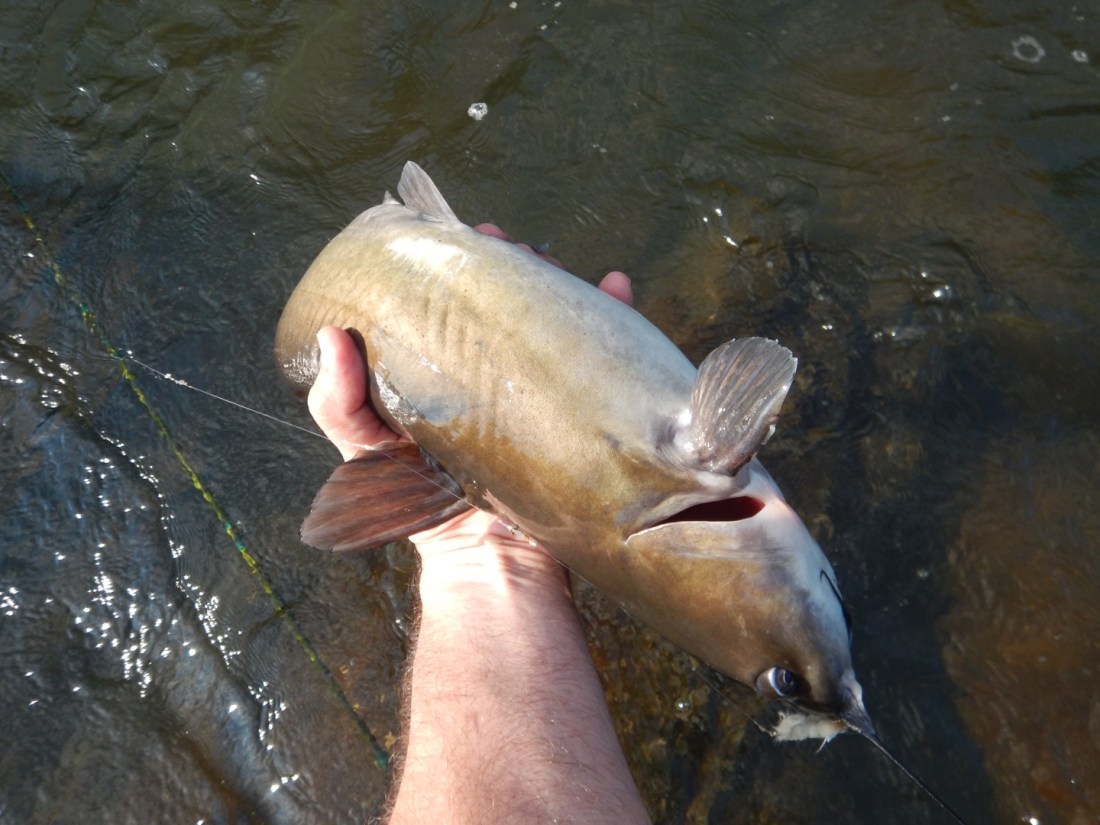 There are two great tragedies in the annals of fly fishing literature: that Norman Maclean didn’t write more and that Greg Keeler didn’t write less. I had the great misfortune of spending the length of the book Trash Fish inside the head of Greg Keeler and I can confirm it is an exceptionally vile and puerile place.
 First Fish